.jpg)
In a world where interconnectivity is one of the most important aspects for growth, mobility is no longer about moving from Point A to Point B. It is now more about purpose-driven performance. Also, it is about vehicles being specifically designed for terrain, task, endurance, durability and efficiency.
As India is not just a country, it is a subcontinent with all types of terrains present from the snow covered Himachal Mountains to the sand dunes of Rajasthan; the need of the hour are robust mobility solutions that cannot just survive but thrive in all those terrains and weather conditions.
Across industries like defence, infrastructure, mining, aviation, disaster response, and public mobility, the demand is clear. India doesn’t just need standard vehicles; we need specialised fleets that can carry loads and a specific number of personnel to distant locations and extreme conditions safely and comfortably.
The future belongs to mobility solutions engineered for mission-critical performance and self-reliance is India’s goal. Here’s what’s changing in the Indian Mobility industry.
The Era of Mobility Innovation
The world as we know functions efficiently because humans have built it according to their convenience. But in India, things can be a bit tricky, not because we lack technology, but because the Indian landscape is too vast and too varied.
In today’s India, we are focused on creating engineering, manufacturing and mobility solutions that are made in India and according to the Indian geography.
Not just India, we are witnessing a transformation in the global mobility landscape.
- Advanced materials.
- Smart integration systems.
- Electric and hybrid platforms.
- AI-assisted fleet management.
Mobility today is being redefined by customization and capability enhancement. Industries are no longer adapting their operations to vehicles. On the contrary, vehicles are now being engineered to adapt to operations.
Why Do Standard Vehicles No Longer Suffice?
Traditional Indian mobility solutions were good, but we can never underestimate the power of innovation. At JCBL Limited, we have a team of experts who have expertly engineered different solutions for different terrains and different purposes.
With time, the demands of modern industries are also changing:
- Enhanced load-bearing capabilities
- Terrain-specific engineering
- Modular architecture
- Integrated command and communication systems
- High safety and endurance standards
- Compliance with evolving regulatory frameworks
Standard platforms struggle when exposed to extreme environments, high-intensity usage, or mission-sensitive tasks. Specialization is no longer optional, especially looking at India’s growth rate and capacity.
.jpg)
The Rise of Special Application Vehicles (SAVs)
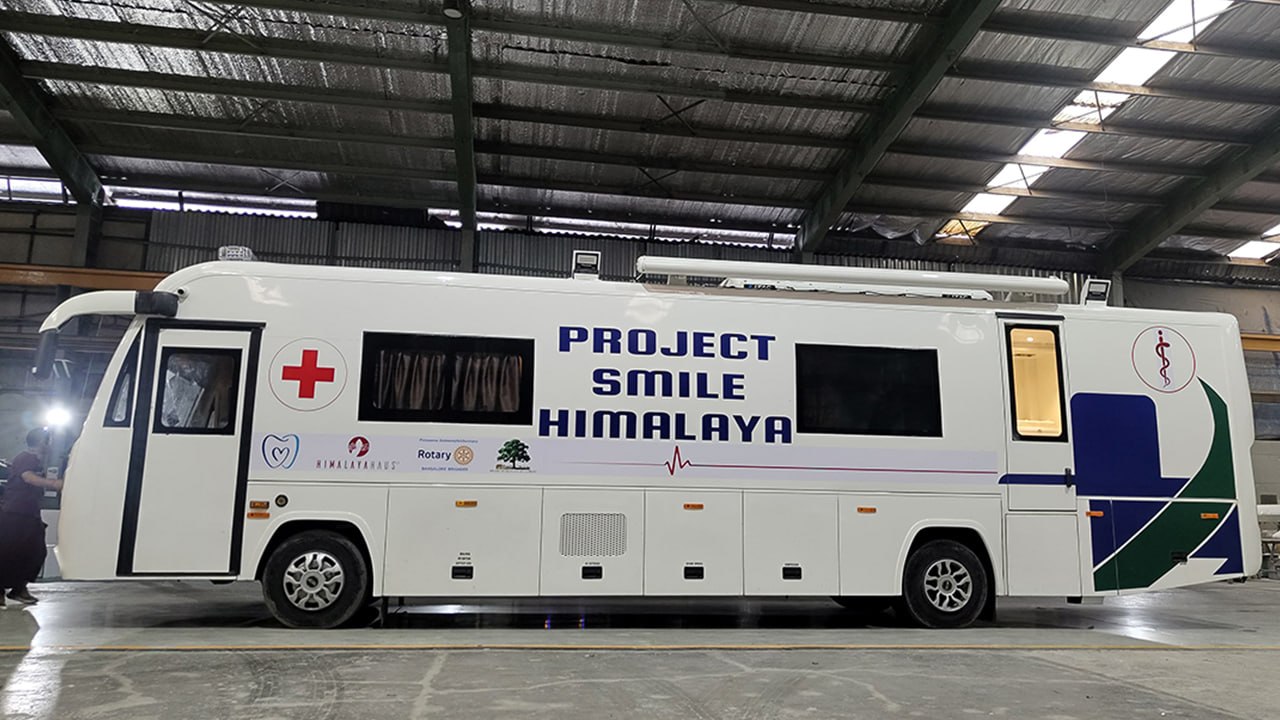
Modern problems need modern solutions, and that’s why, the need for Special Application Vehicles (SAVs) that are engineered to serve defined, high-performance roles is increasing multiple folds.
SAVs are built around functionality first. They need to be robust so that they can easily tolerate all extreme weather conditions, all the terrains that India offers and also have high security infrastructure installed.
Key characteristics include:
- Custom chassis engineering
- Reinforced structural design
- Application-specific body building
- Integrated electronics and control systems
- Precision-tested durability
This segment is not about volume production.
It is about precision manufacturing with operational intelligence.
Engineering for Performance, Purpose & Precision
The growing Bharat needs mobility solutions that are engineered not just to function, but to perform under pressure. The future of mobility demands integration across multiple domains:
- Design Excellence – CAD-driven modelling, simulation-based testing, and structural optimization.
- Advanced Manufacturing – Automated fabrication, high-precision welding, and stringent quality control.
- Customization Capability – Modular platforms enabling rapid adaptation to evolving requirements.
- Safety & Compliance – Adherence to global automotive, defence, and industrial standards.
How JCBL Limited Is Crafting Mobility Solutions for the Future
At the forefront of this transformation stands JCBL Limited. With decades of engineering expertise and manufacturing excellence, we have built a reputation for delivering high-performance Special Application Vehicles customised to demanding environments.
JCBL’s approach is defined by:
- End-to-End Engineering Capability – Our experts are involved in each step of the process. From conceptual design to final delivery.
- Robust Infrastructure – Our infrastructure includes advanced manufacturing facilities equipped for high-precision fabrication
- Application-Specific Customization – We provide a variety of solutions designed around real-world operational needs.
- Quality & Compliance Excellence – Certified by world renowned agencies, our experts and manufacturing team keeps strict adherence to industry and safety standards.
- Innovation-Driven Development – Manufacturing for a country as diverse as India, we invest in continuous Research & Development so that we can contribute to the future of Indian mobility.
Conclusion: The Shift from Mass Production to Mission Precise Production
The industries that we are supporting for example defence, infrastructure, industrial operations and specialized commercial applications are some of the most technology and quality-sensitive infrastructural areas of our growing India.
Maintaining quality standards is not just important, rather it is the most important aspect of manufacturing as many of our projects are linked to high-priority defence and mobility-focused clients. JCBL engineers vehicles that are not generic; we build vehicles that are specific.
Specific in their requirements, their features and their tech, our SAVs and other solutions can be deployed in almost every terrain. As industries become more complex and operational demands intensify, vehicles must evolve beyond generic manufacturing.
The next generation of mobility will be:
- Purpose-built
- Technology-integrated
- Sustainability-focused
- Performance-driven
The question is no longer whether specialization is required or not. The real question is:
Who is prepared to engineer it?