
Special application vehicles are built to perform jobs that standard vehicles were never designed to handle. From recreational vehicles like Caravans to mobile healthcare units and command vehicles to emergency response platforms, service vans and specialised transport solutions, every application comes with its own operational requirements.
This is why customisation is not simply an added feature in such vehicles. It is a fundamental part of how they are engineered.
A well-designed special application vehicle must take into account how the vehicle will be used, who will operate it, what equipment it needs to carry, the environment it will work in and how efficiently it can perform over time. The right customisation transforms a base vehicle into a dependable, purpose-driven solution.
What You’ll Learn
- Why standard vehicle layouts may not work for specialised operations
- How customisation improves functionality, safety and efficiency
- The role of layout, utilities, equipment integration and storage
- Why industry-specific requirements influence vehicle design
- How a purpose-built approach creates better long-term value
One Vehicle Cannot Serve Every Purpose
Different industries expect very different things from a vehicle.
A mobile medical unit may require treatment areas, medical equipment, controlled storage and electrical support. A command-and-control vehicle may need communication systems, workstations and secure technology integration. A service vehicle may depend more heavily on tool storage, easy equipment access and an efficient working layout.
Using the same configuration across all these applications would limit functionality.
That is where vehicle customisation for specific industries becomes important. The design process must begin by understanding the actual job the vehicle is expected to perform rather than simply modifying a standard body after production.
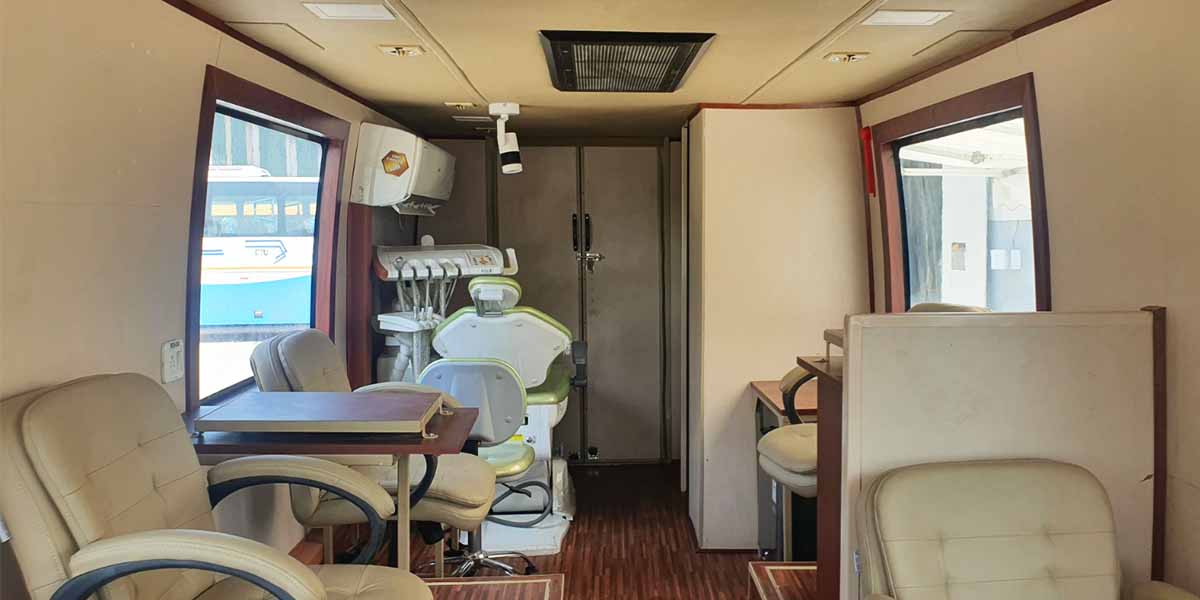
Quick Insight: Good customisation is not about adding more features. It is about adding the right features in the right place.
Layout Defines How Efficiently the Vehicle Works
Inside a special application vehicle, every section of available space has a purpose.
An effective layout considers:
- Movement: Operators should be able to work without unnecessary obstruction.
- Accessibility: Frequently used equipment must remain easy to reach.
- Ergonomics: Workstations, seating and controls should support comfortable operation.
- Safety: Equipment must be securely positioned and movement within the vehicle should remain practical.
- Space Utilisation: Storage and work areas need to make efficient use of limited interior dimensions.
This is why custom special application vehicles are designed around workflows rather than simply around available space.
For industries where teams may spend several hours working inside a vehicle, thoughtful layout planning can make a significant difference to day-to-day productivity.
Utilities and Equipment Must Work as One System
Specialised vehicles often carry systems that a standard commercial vehicle would never need.
Depending on the application, this may include power distribution, air-conditioning, lighting, communication systems, specialised machinery, medical equipment, displays, workstations, water systems or additional electrical infrastructure.
The challenge is not simply fitting these components inside the vehicle. They must be integrated so that they operate safely and reliably without compromising access, weight distribution or vehicle functionality.
Storage Is Part of the Engineering
Storage may appear to be a relatively simple element, but in specialised vehicles it can directly affect operational efficiency.
Equipment should remain secure while the vehicle is moving but accessible when required. Storage compartments may also need to accommodate items of different dimensions, weights and usage frequencies.
For purpose-built commercial vehicles, this can mean designing:
- Dedicated equipment compartments
- Modular shelving
- Lockable storage
- Exterior-access compartments
- Specialised racks or mounting systems
Built Around Industry Needs
The strongest custom fleet vehicle design begins with the operational requirement.
Factors such as route conditions, crew size, operating hours, equipment load, climate, deployment environment and frequency of use can all influence how a vehicle should be configured.
A solution intended for urban operations may require a different layout from one designed for remote locations. Similarly, a vehicle used for emergency response will prioritise rapid access differently from a mobile workspace designed for longer deployments.
The JCBL Limited Approach
At JCBL Limited, special application vehicles are developed around the intended function of the platform.
The process brings together design, engineering, manufacturing and customisation to create tailored vehicle solutions for industry needs. From layout planning and equipment integration to utilities and storage, every element is considered in relation to how the vehicle will actually be used.
The objective is to create vehicles that are not only specialised in appearance, but genuinely purpose-built in functionality.
Final Thoughts
Customisation is what allows a commercial vehicle to become a specialised working platform.
When layouts, equipment, utilities and storage are designed around actual operational requirements, the result is a vehicle that can support its users more effectively throughout its service life.
For special application vehicles, the right question is therefore not simply “What can be added to this vehicle?” but “What does this vehicle need to accomplish?”
That difference is what turns modification into purposeful engineering.
DISCLAIMER: The features, specifications, and equipment mentioned above may vary depending on the level of customisation and specific customer requirements.