
A special application vehicle is more than a vehicle with equipment added inside it. It is a working environment built around a specific purpose.
Whether the vehicle is designed as a mobile medical unit, command centre, recreational vehicle, service van or another specialised platform, the available space has to support people, equipment, utilities and movement, all within a fixed vehicle footprint.
This is where thoughtful space planning becomes critical. A well-planned interior can improve accessibility, workflow, comfort and safety while ensuring that every essential system has a defined place.
What You’ll Learn
- Why space planning begins with the vehicle’s intended purpose
- How workflows influence interior layouts
- Why equipment, utilities and storage must be planned together
- How good space utilisation can improve comfort and operational efficiency
Every Space Has a Purpose
Unlike a conventional passenger vehicle, a special application vehicle may need to accommodate multiple functions within a limited area. A mobile healthcare unit, for example, may require working space for medical professionals, patient access, storage and equipment.
A mobile office may prioritise workstations, communication systems and seating, while a recreational vehicle needs to balance living, sleeping, storage and utility areas.
The layout therefore cannot be planned around appearance alone. Every section of the interior should contribute to how the vehicle will actually be used.
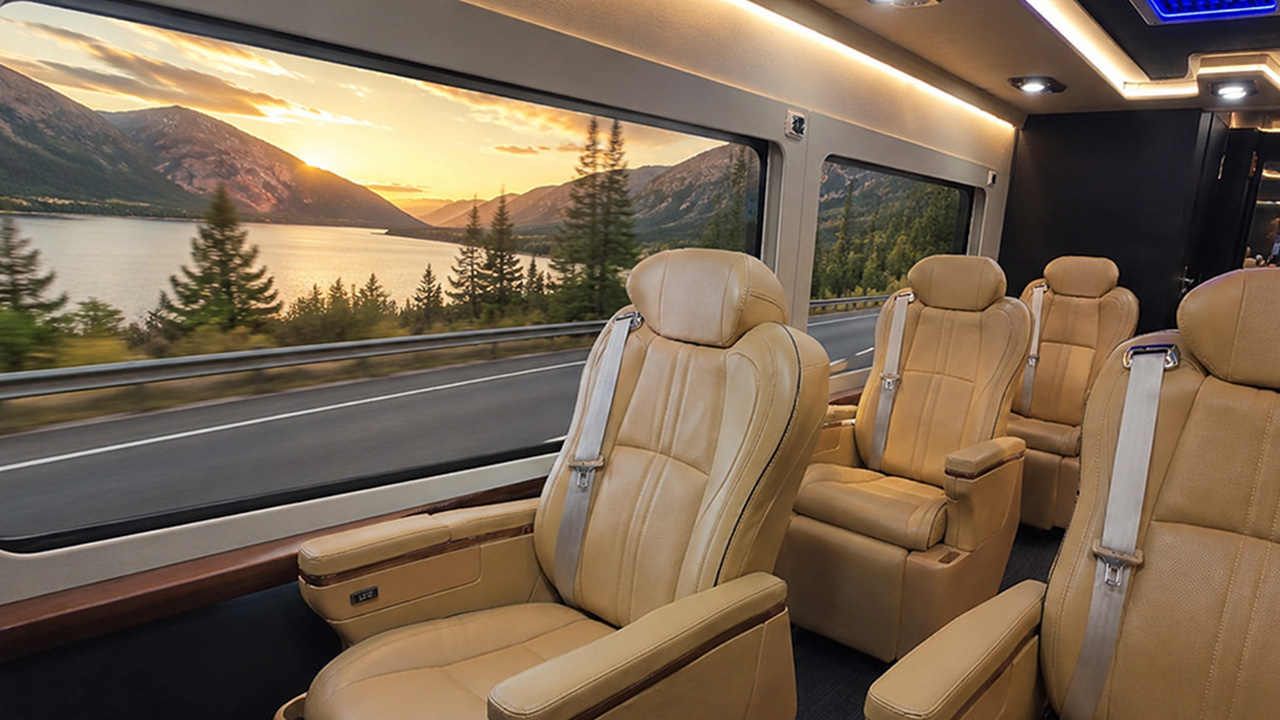
Plan around the Workflow, Not Just the Floor Area
Effective space planning starts by understanding how people will move and work inside the vehicle.
Important considerations include:
- Movement: Clear pathways help users move between different functional zones.
- Accessibility: Frequently used equipment should remain easy to reach.
- Ergonomics: Seating, work surfaces and controls need to be positioned for practical use.
- Storage: Equipment should remain secure in transit without becoming difficult to access.
- Privacy: Certain applications may require separate or enclosed functional areas.
Did You Know?
In a special application vehicle, even a small change in the position of seating, storage or equipment can influence movement, accessibility and the overall usability of the interior.
Utilities Need Space Too
Visible areas are only one part of interior planning. Many specialised vehicles also require electrical systems, air-conditioning, water systems, batteries, communication equipment or other technical infrastructure.
These systems need to be integrated without unnecessarily reducing usable interior space. Planning their location early also helps provide suitable access for inspection and maintenance.
Comfort and Function Must Work Together
Efficiency does not mean filling every available corner. A vehicle may technically accommodate all the required equipment and still feel difficult to use if movement is restricted or the interior becomes overcrowded.
Thoughtful design also considers headroom, seating comfort, visibility, ventilation and ease of entry and exit. This becomes particularly important in applications where occupants may spend extended periods inside the vehicle.
Good space planning therefore aims to create a balance between maximum functionality and practical comfort.
The JCBL Limited Approach
At JCBL Limited, customised mobility solutions are developed around customer and application requirements, with customisation forming an important part of the company’s special application vehicle capabilities.
Space planning begins by understanding the intended use of the vehicle, the people operating it and the equipment and systems required inside.
From layout development and storage planning to utility and equipment integration, each element is considered as part of one complete vehicle system. The objective is to create a purpose-built environment that makes efficient use of available space without compromising functionality or comfort.
Key Takeaways
- Space planning should begin with the purpose and workflow of the vehicle.
- Equipment, storage and utilities need to be considered together.
- Accessibility and movement are as important as maximum space utilisation.
- Good layouts balance functionality, comfort and safety.
- Purpose-built planning helps transform a base vehicle into an efficient working environment.
Have a Special Application in Mind?
Every requirement starts with a different operational challenge.
Connect with JCBL Limited to explore a customised special application vehicle designed around your specific space, equipment and functional requirements.